


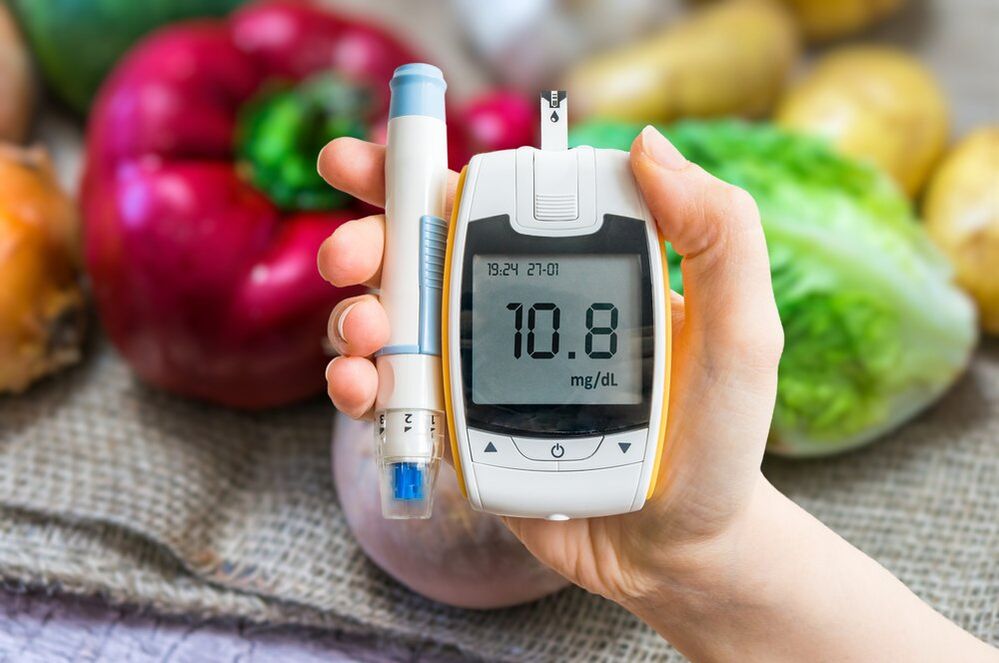
Diabetes mellitus(DM) is an endocrine pathology that occurs due to insufficient synthesis/action of insulin.Against this background, chronic hyperglycemia develops - a condition accompanied by constantly high sugar (glucose) levels in the blood plasma.It is high blood sugar that is the main cause of the symptoms and complications of diabetes: metabolic disorders, damage to blood vessels and nerve fibers, kidney failure and blindness.
Over the past forty years, the number of cases of diabetes worldwide has almost quadrupled.The disease spreads more quickly in underdeveloped countries and countries with weak economies.Doctors note a trend towards an increase in incidence in the age group over 40 years old.In terms of social significance, this pathology ranks third after cardiovascular diseases and cancer.
Diabetes mellitus is divided into two main types:
- insulin-dependent (juveniles, adolescents, children),
- Insulin independent (insulin resistant).
They have different causes, symptoms, treatment tactics and prognosis.Therefore, in the future we will consider them separately from each other.
Causes

Insulin is a protein hormone synthesized in the beta cells of the pancreas.Its effects are achieved through insulin receptors present in various organs and tissues.Diabetes occurs either when beta cells are destroyed or when the sensitivity of the receptors decreases.
Type 1 diabetes develops in the presence of a genetic predisposition.The impetus for the emergence of pathology is given by toxins and viral infections, such as rubella, influenza, hepatitis B virus, cytomegalovirus and retroviruses.The provoking factor causes acute damage to β-cells or leads to the persistence of the infectious agent in pancreatic tissues with the subsequent development of an autoimmune reaction.The likelihood of the disease increases if a person suffers from other autoimmune diseases - thyroiditis, adrenal insufficiency, etc.
Important !Diet plays a certain role in the occurrence of the disease in children.So, this is facilitated by too early contact with gluten - it is optimal to introduce grain porridge into complementary foods no earlier than 6-7 months.The risk increases when feeding a child with cow's milk, with vitamin D deficiency and with a high concentration of nitrates in drinking water.
Thanks to our body's adaptive capabilities, type 1 diabetes can remain silent for many years.The first signs appear when the number of β cells (and, therefore, insulin) becomes insufficient to regulate blood sugar.Type 1 represents approximately 10% of all cases of pathology.It mainly affects children, adolescents and people under 30 years old.More rarely, it is found in elderly patients in a latent form, often confused with a non-insulin-dependent form.
Type 2 diabetes accompanied by impaired insulin secretion and decreased sensitivity of insulin receptors, in other words “insulin resistance”.The most important risk factors:
- A hereditary predisposition is noted in almost all cases.If close relatives have the disease, the risk of developing the pathology increases 6 times.
- Obesity is often an abdominal and visceral form, when excess fat is deposited mainly in the waist and/or internal organs.With class I obesity, the risk of developing the disease increases by 2 times, with class II by 5 times, with class III by 10 times.
Important!High-calorie foods, dominated by simple, quickly digestible carbohydrates, are considered diabetogenic.These are sweets, alcohol, flour products, sausages, fast food, fried potatoes, soft wheat pasta.In combination with a sedentary lifestyle and a deficiency of plant fiber, these foods, if consumed regularly, can cause irreparable damage to the body.
The second type usually appears in adulthood.A trend has been observed: the older a person is, the higher the concentration of glucose in the blood after eating a carbohydrate meal.The speed at which blood sugar levels return to normal depends largely on muscle mass and the degree of obesity.With childhood obesity now an epidemic, type 2 is increasingly present in children.
As in the previous case, the disease develops when the amount of synthesized insulin cannot fully compensate for the decrease in the sensitivity of insulin receptors.This creates a vicious cycle: excess glucose in the blood has a toxic effect on beta cells, causing them to malfunction.
Diabetes mellitus: symptoms of an insidious disease
Let's consider the clinic of diabetes depending on the disorders it causes, the stage of the disease and the type of pathology.
Symptoms associated with metabolic disorders
Insulin is involved in all types of metabolism:
- Carbohydrates – regulates plasma glucose levels, as well as glycogen breakdown, gluconeogenesis, and other reactions involving sugars.
- Fat - increases the synthesis of fatty acids and reduces their entry into the blood.
- Protein - improves protein synthesis and suppresses its degradation, activates DNA and RNA replication.
- Electrolyte - activates the flow of potassium and inhibits the flow of sodium into cells.
With so many physiological effects, changes in insulin concentration do not pass without leaving a trace on the body.The main symptoms are associated with impaired carbohydrate metabolism, especially hyperglycemia.Increased glucose levels cause the following symptoms:
- thirst, dehydration, polyuria – urine output more than three liters per day;
- polyphagia - constant need for food, gluttony, develops in response to energy deficit;
- nausea, vomiting;
- accumulation of sorbitol (a glucose conversion product) in nerve fibers, retina, and lens with subsequent damage;
- predisposition to bacterial and fungal infections.
Due to a disorder of protein metabolism, the following signs of diabetes mellitus develop::
- muscular dystrophy - appears due to decreased synthesis and increased breakdown of proteins;
- hypoxia – lack of oxygen to tissues – causes lethargy, decreased concentration and drowsiness;
- widespread vascular damage due to protein glycosylation.
Impaired fat metabolism is manifested by:
- increase the concentration of cholesterol in the blood;
- fatty liver infiltration;
- ketonuria, ketonemia - accumulation of ketones in blood and urine;at high concentrations, without treatment, coma and death develop.
Due to the loss of electrolytes (potassium, magnesium, sodium, phosphorus), general and muscle weakness occurs.
Clinic according to the stage of the disease
The initial stage is characterized by an almost complete absence of symptoms.Diagnosis sometimes takes years, especially without proper testing.In diabetes, symptoms come and go depending on fluctuations in blood sugar levels.General manifestations prevail, since damage to internal organs is still far away.
Patients complain of:
- severe weakness, fatigue;
- thirst - patients are able to drink approximately 3-5 liters of fluid per day, with a significant amount occurring at night;
- characteristic dry mouth (due to dehydration);
- frequent and profuse urination;children may develop enuresis;
- itching of the skin, in women especially in the genital area.
Important!Progressive cavities and periodontal disease are often among the first symptoms of diabetes.Loose teeth and deep carious lesions in the tooth roots indicate a pre-diabetic condition.A biochemical analysis of blood glucose concentration shows no visible changes.Therefore, if such symptoms are detected, the patient is recommended to consult a therapist and take a glucose tolerance test.
Without treatment, the patient's condition gradually worsens.Dry skin appears, skin infections are common - hidradenitis, furunculosis, fungal infections of the foot.From the gastrointestinal tract, gastrointestinal dysfunction, gallbladder dyskinesia, chronic gastritis and duodenitis are observed.Due to damage to the vascular system and an increase in cholesterol levels, atherosclerosis and coronary heart disease develop.The latter is generally difficult and often leads to serious complications.The cause of death in 38-50% of patients is myocardial infarction.
Diabetic patients are more likely to develop bronchitis, pneumonia and are predisposed to tuberculosis.Men with prostate adenoma and women over 50 are 4 times more likely than ordinary people to suffer from cystitis and pyelonephritis.In advanced stages, blindness and other complications may occur due to vascular damage.
Signs of type 1 and type 2 diabetes
With the first type, people often do not notice or ignore the first symptoms..A common situation is where the diagnosis is only made after the first “attack” of ketoacidosis.The disease manifests itself in response to stress, viral infection and overload with simple carbohydrates.Since sugars are extremely poorly absorbed, tissues and organs lack energy.In an attempt to compensate for the energy deficit, the body begins to actively burn fat.This process is accompanied by the release of ketone bodies.
In large quantities, ketone bodies are toxic to humans.The patient experiences thirst, dizziness, lethargy, drowsiness and rapid heartbeat.Characterized by frequent urination, abdominal pain, nausea, vomiting and acetone odor coming from the mouth.Without proper treatment, ketoacidosis leads to coma, brain swelling and death.
Important!If you have already been diagnosed with diabetes, you can prevent ketoacidosis independently.
To do this, you must:
- in case of acute respiratory infections, acute respiratory viral infections, monitor blood sugar levels more often and administer insulin in appropriate quantities;
- when using other medications, tell your doctor about the presence of diabetes (for example, glucocorticoids increase the need for insulin);
- even during remission, do not stop administering the drug - just reduce the dose and consult a doctor to correct the treatment;
- do not skip injections and strictly monitor glucose levels;
- administer insulin using the right instruments and in the right place;
- monitor the expiration date and storage conditions of the medicine.
The other three main signs of type 1 diabetes are fatigue, weight loss and constant hunger.- arise in response to the inability to use sugars as an energy source.And in order to get rid of excess glucose, the body actively excretes it in urine, which causes polyuria.Due to dehydration, the patient feels severe weakness.
The second type is characterized by a slower flow.The patient notices the problem when hyperglycemia becomes a chronic disease.Sometimes the disease is discovered by chance, during a routine examination.There are situations when a patient consults an endocrinologist at an advanced stage of the disease, with complications.The most common complaints related to this type of pathology are drowsiness, weakness, lethargy, difficulty concentrating and nausea.
Classification and types
The World Health Organization offers a fairly comprehensive classification of pathologies.So, in addition to the already known first and second types, other specific types of the disease are distinguished.All belong to category III and are grouped, depending on the reason for their development, into classes A, B, C, D, E, F, G and H.
- This class includes genetic defects in beta cell function - mitochondrial mutations, damage to individual sections of certain chromosomes.
- Also genetic defects, but not at the level of pancreatic cells, but at the level of insulin receptors.These include Donohue syndrome, Rabson-Mendenhall syndrome, certain lipodystrophies, and type A insulin resistance.
- Diseases of the exocrine pancreas (fibrosis, pancreatitis, neoplasia, trauma, etc.).
- Endocrinopathies.The disease can develop against the background of Cushing's syndrome, pheochromocytoma, thyrotoxicosis and other endocrine pathologies.
- Diabetes induced by chemicals and drugs - nicotinic acid, thyroid hormones, glucocorticoids, alpha interferon, etc.
- Viral infections - cytomegalovirus, congenital rubella and others.
- Atypical forms of immune-mediated diabetes.
- Genetic abnormalities, part of the clinical picture of which often consists of diabetic symptoms (myodystrophy, Turner syndrome, Down syndrome, porphyria).
Separately, in category IV, gestational diabetes is distinguished, which is a hidden disorder of carbohydrate metabolism in pregnant women.
Important!Tactics for treating diabetes mellitus largely depend on its type.It is therefore recommended to consult a doctor as soon as possible to determine the exact cause of the unpleasant symptoms.An experienced endocrinologist will prescribe the necessary examination and find the source of the disease.
Diagnosis and screening
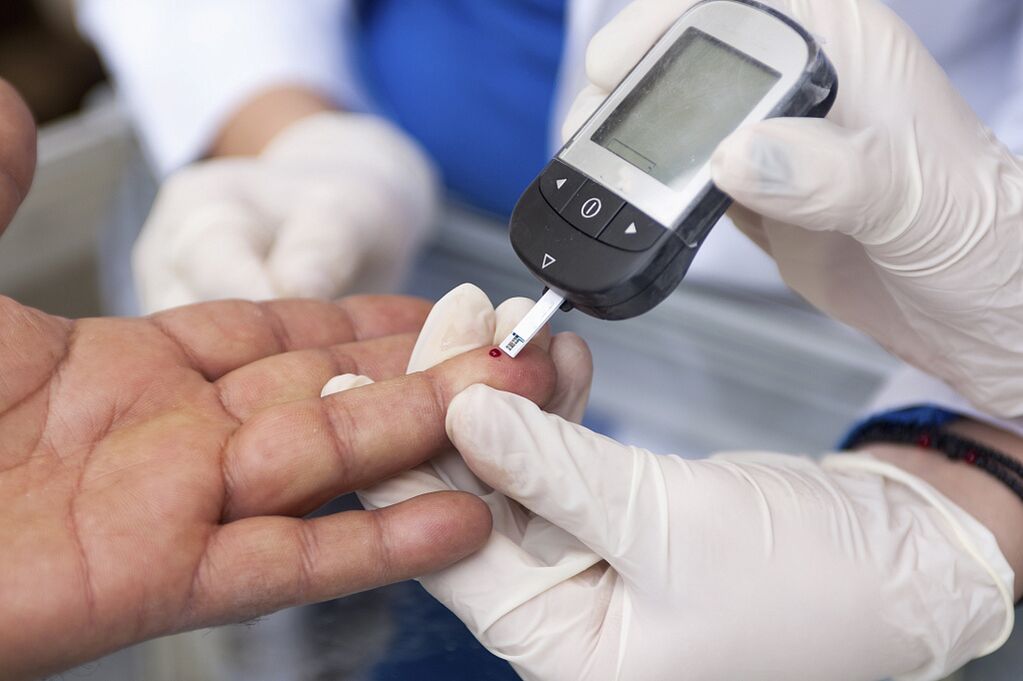
The diagnosis is made based on the following criteria.
- Patient history, symptoms, complaints.
- Examine the patient to identify potential complications.
- Biochemical blood test - determination of fasting plasma glucose concentration (FPG).It is taken on an empty stomach, with the last meal no later than 8 to 12 hours before the test.
- Determination of glycosylated hemoglobin (HbA1C) level.Rent the same way.Avoid smoking, drinking alcohol and doing strenuous physical activity the day before.
- Glucose Tolerance Test (OGTT).More sensitive analysis, but at the same time more complex.Used primarily to diagnose prediabetic conditions, including during pregnancy.If the FPG is greater than 7.0 mmol/l, the OGTT is not performed.
In reality, the pathology is often detected by random analysis, for example during regular screening.The patient is then sent for further examination.
Diagnostic criteria for diabetes and prediabetes
| Analysis | Norm, mmol/l | Impaired carbohydrate metabolism (prediabetes), mmol/l | DM, mmol/l |
|---|---|---|---|
| GPN | less than 5.6 | from 5.6 to 6.9 | more than 7.0 |
| HbA1C | less than 5.7% | from 5.7 to 6.4% | greater than or equal to 6.5% |
| OGTT | less than 7.8 | from 7.8 to 11.0 | more than 11.1 |
| Random | less than 11.1 | - | over 11.1 with symptoms |
Important!The blood sugar test, which was popular in the recent past, is no longer used due to its non-specificity and low sensitivity.
It is recommended that people in a high-risk group undergo regular FPG and HbA1C (or OGTT) screening tests once every three years.If the GIF is already high, such monitoring should be carried out annually.Risk factors include:
- physical inactivity;
- obesity;
- age > 35 years;
- Family history of diabetes;
- prediabetes, gestational diabetes, PCOS, personal history of cardiovascular disease;
- birth of a child weighing more than 4.1 kg;
- hypertension;
- fatty liver hepatosis;
- high cholesterol levels, “harmful” lipids - low density lipoproteins;
- HIV infection.
All diabetic patients are regularly monitored for complications after diagnosis.Standard screening includes an ophthalmoscopy, foot exam, urine test for proteinuria, lipid test, and creatinine level.Most endocrinologists consider it important to record a baseline ECG and lipid profile during initial treatment in order to study disease dynamics and predict the risk of cardiovascular diseases.If necessary, consultations with specialized specialists are prescribed - ophthalmologist, gynecologist, cardiologist, neurologist.
The most dangerous complications
All complications that develop with this disease can be divided into acute and chronic conditions..Acute cases usually occur when:
- skipping an insulin injection or taking a hypoglycemic medication;
- the use of other drugs that affect carbohydrate metabolism;
- severe stress;
- alcohol abuse;
- self-cancellation of therapy;
- in the context of severe trauma, surgery, infection;
- during pregnancy.
This includesketoacidotic statewhich has been described in detail above, andhypoglycemic coma.Ketoacidosis and hypoglycemia often develop suddenly, and only a few hours may pass between the first symptoms and full coma.These two complications must be stopped as quickly as possible, if necessary, by consulting a doctor.
Hypoglycemia- decreased blood sugar level - characterized by increased sweating, chills, severe weakness and a feeling of intense hunger.Some patients notice numbness and tingling in certain areas of the body.If the necessary measures are not taken, hypoglycemia turns into a coma - the patient loses consciousness.In this situation, you need to call an ambulance.
Important!To eliminate hypoglycemia, a person urgently needs to take simple carbohydrates.Lemonade, sugar cubes (put under the tongue), juice - anything that is easy to swallow and quickly absorbed will do.To avoid such cases, a patient taking hypoglycemic drugs should always carry one of the above products with them.
Other complications are a consequence of metabolic disorders and damage to small and large vessels.
- Diabetic heart disease, or “diabetic heart”.Myocardial dystrophy develops in people over 40 years old without pronounced signs of coronary atherosclerosis.It manifests as left ventricular dysfunction and leads to heart failure.The main symptoms are shortness of breath, arrhythmia and decreased tolerance to physical activity.
- Metabolic syndrome X, or the “deadly quartet”.The combination of high blood sugar, obesity, hypertension and atherosclerosis causes early onset of angina and peripheral artery damage.Common complications include heart attacks, strokes and transient ischemic attacks.The main problem is that each element of the quartet reinforces the manifestations of the others, creating a vicious circle.
- Diabetic nephropathy.The main factor of disability and mortality in diabetic patients.Develops in 40 to 50% of cases, leading to chronic and end-stage renal failure.The main reason is damage to the renal capillaries and increased pressure inside the renal glomeruli.The presence of hypertension accelerates pathological processes.This complication is considered one of the most insidious, because in the early stages it does not cause any visible symptoms.The patient usually does not associate swelling, dyspepsia and weakness with kidney damage.Pain and urinary problems appear in later stages, when the problem is already difficult to treat.
- Diabetic retinopathy.Subjectively, it looks like fog before the eyes, a characteristic “flicker of flies”.Surrounding objects become blurry and out of focus.The reduction in vision progresses to total blindness.The cause is damage to the retinal vessels with the subsequent appearance of microaneurysms, hemorrhages and edema.To prevent vision loss, patients should have an ophthalmoscopy once a year and, if there are problems, receive treatment.
- Neuropathies.The functioning of neurons is disrupted due to the toxic effects of glucose, lack of oxygen and electrolyte changes.Diabetics suffer from a large number of neuropathies, but the most common among them is symmetric polyneuropathy.Its main symptoms are numbness, discomfort, pain, loss of sensation in the hands and feet, “like gloves and socks”.Such processes in the lower extremities can lead to inadequate loads accompanied by additional trauma or infection of the feet and degeneration of the joints.Neuropathies affect not only peripheral nerve fibers, but also cranial nerves and the brain tissue itself.This results in acute neuropsychological disorders, neurosis-like states, dysfunction of innervated areas - decrease in hearing, vision, smell, etc.
- Diabetic foot.Against the background of damage to blood vessels, nerves, skin and joints, a syndrome appears, accompanied by ulceration of soft tissues and purulent-necrotic processes.Necrosis of the foot ends with amputation of the affected area.The syndrome occurs in 20 to 25% of patients.
Treatment: diet and medications

Diabetes treatmentstarts with lifestyle changes.This includes a well-structured diet, sufficient physical activity and regular monitoring of plasma sugar concentrations.All this, together with basic therapy, helps prevent the rapid progression of pathology and the development of complications.
Type 1 diabetes is also treated with insulin.Regular subcutaneous injections mimic beta cell function.The number of units and the scheme are selected individually.It is important to respect the timing and dosage of drug administration.
Type 2 patients, in the case where diet and physical activity are not enough,antihyperglycemic drugs are prescribed.These drugs differ in their mechanism of action:
- stimulate the secretion of your own insulin (sulfonylurea, meglitinides);
- increase the sensitivity of insulin receptors (thiazolidinediones);
- inhibit additional pathways for glucose production (biguanides);
- prevent the absorption of sugars in the intestinal wall, slowing down their digestion (alpha-glucosidase inhibitors);
- increase the excretion of glucose in urine (NGLT-2 inhibitors).
These drugs can work together, enhancing each other's effects.Therapeutic and prophylactic agents are also widely used.Statins and acetylsalicylic acid help reduce damage to the vascular bed, ACE inhibitors help fight nephropathy in the early stages.
The forecast is up to you

Every year, around four million people die from this insidious disease.In children and adolescents, the leading cause of death is ketoacidosis, which progresses to coma.In adults, the presence of complications and alcohol consumption are critical.The average life expectancy of each diabetic patient is reduced by 6 to 15 years.In the second type, the prognosis is largely correlated with lifestyle.Smokers, alcoholics and people with high cholesterol can prolong their lives by simply giving up bad habits and adjusting their diet.
The disease ranks first among the causes of blindness, increases the risk of stroke and heart attack by two times, chronic kidney failure by 17 times and the risk of foot necrosis by 20 times.Despite the terrible numbers,the prognosis depends on the timeliness of the diagnosis and your personal attitude towards the disease.The earlier the disease is detected and the more carefully the patient approaches treatment, the higher the survival rate.
Prevention

Preventive measures boil down to:
- Regular and adequate physical activity.The latter normalizes metabolism and increases the sensitivity of tissue receptors to insulin molecules.
- Diet.Meals are split, 4 to 5 times a day, in small portions.Consumption of simple carbohydrates and saturated fats should be kept to a minimum.Avoid mayonnaise, pastries, jams, sausages and starchy foods.Avoid fried, fatty, overly salty foods, fast food, smoked foods and canned foods.The basis should be complex carbohydrates, fiber and pectins.Lean fish, poultry, vegetables, herbal infusions, unsweetened compotes, durum wheat pasta are preferred.Follow the BJU 20:20:60 ratio.
- Infection prevention.The first type of diabetes mellitus often manifests itself under the influence of a viral infection.Therefore, if there are risk factors, it is recommended to strengthen the immune system, prevent a prolonged course of ARVI, wear a mask and use antiseptics during epidemics and near sick people.